
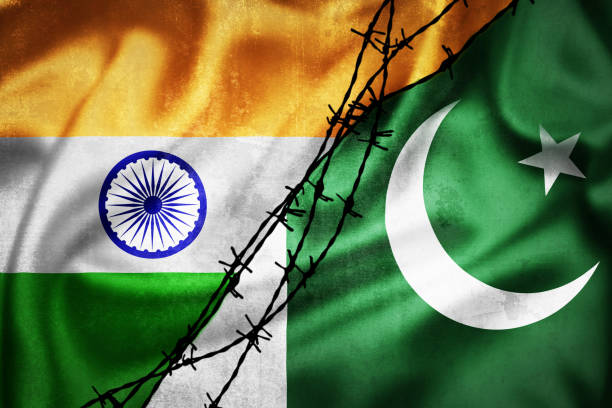
Introduction: A Region on Edge
In April 2025, the fragile peace between India and Pakistan shattered when a militant attack in Indian-administered Kashmir killed 26 people, mostly tourists, in Pahalgam. This tragedy, the deadliest in the region in nearly two decades, reignited tensions between the nuclear-armed neighbors. On May 7, 2025, India launched missile strikes, dubbed “Operation Sindoor,” targeting alleged terrorist sites in Pakistan and Pakistan-administered Kashmir. Pakistan called it an “act of war,” retaliating with artillery fire and claiming to have downed Indian jets. As families on both sides mourn, the human cost of this escalating India-Pakistan conflict demands our attention.
This blog post explores the recent India-Pakistan war situation, focusing on the human toll, the historical context, and the urgent need for peace. Written for high readability and optimized for SEO, it aims to inform and engage readers searching for updates on the 2025 Kashmir conflict.
The Human Toll: Lives Upended by Conflict
Imagine Faryal Waheed, a 45-year-old from Bahawalpur, Pakistan, jolted awake by loud blasts at 12:30 a.m. on May 7, 2025. Her husband, a surgeon, rushed to the hospital to treat victims of India’s missile strikes, which killed 31 people, including a child and two teenagers. Faryal’s fear mirrors the anxiety gripping countless families. In Indian-administered Kashmir, 12 civilians died from Pakistani shelling, leaving communities in mourning.
Across the Line of Control (LoC), evacuations have displaced thousands. In Indian-administered Kashmir, authorities ordered residents to flee dangerous areas, while Pakistan warned civilians of potential targets. Atif Saeed, a 58-year-old from Bahawalpur, ran outside during the strikes, only to be urged back by soldiers. These stories remind us that beyond military strategies, ordinary people bear the brunt of this conflict.
Historical Context: Why Kashmir Remains a Flashpoint
The India-Pakistan conflict over Kashmir dates back to 1947, when British India’s partition created two nations. Kashmir, a Muslim-majority region ruled by a Hindu maharaja, became a battleground. The 1947-48 war ended with a UN-brokered ceasefire line, now the LoC, dividing the region. Since then, wars in 1965, 1971, and 1999 (Kargil), along with frequent skirmishes, have kept tensions high.
Recent decades saw Pakistan’s support for militants in Indian-administered Kashmir, while India accuses Pakistan of fueling terrorism. The 2008 Mumbai attacks and the 2019 Pulwama bombing brought the nations close to war. In 2019, India’s airstrikes in Pakistan followed a suicide attack that killed 40 soldiers. Today’s crisis echoes these events but feels more volatile, with both sides wielding advanced weaponry and nuclear arsenals.
The 2025 Escalation: What Sparked the Crisis?
The April 22, 2025, attack in Pahalgam, claimed by the obscure Kashmir Resistance group, killed 26 tourists, mostly Hindu men. India blamed Pakistan, suspending the 1960 Indus Water Treaty and closing the Wagah-Attari border. Pakistan denied involvement, suspended the 1972 Simla Agreement, and warned that water interference would be an “act of war.”
On May 7, India’s strikes hit nine sites, killing 21-31 people, per varying reports. Pakistan claimed to have shot down Indian jets, including a French-made Rafale, and vowed retaliation. Both nations’ leaders—India’s Narendra Modi and Pakistan’s Shehbaz Sharif—face domestic pressure to act tough, raising fears of a wider conflict.
Voices for Peace Amid the Chaos
Amid the chaos, voices like Malala Yousafzai’s stand out. The Nobel laureate urged both nations to de-escalate, saying, “Hatred and violence are our common enemies, not each other.” Global leaders, from China to the UAE, echoed her call for restraint, urging dialogue over destruction. Yet, with both sides digging in, peace feels distant.