
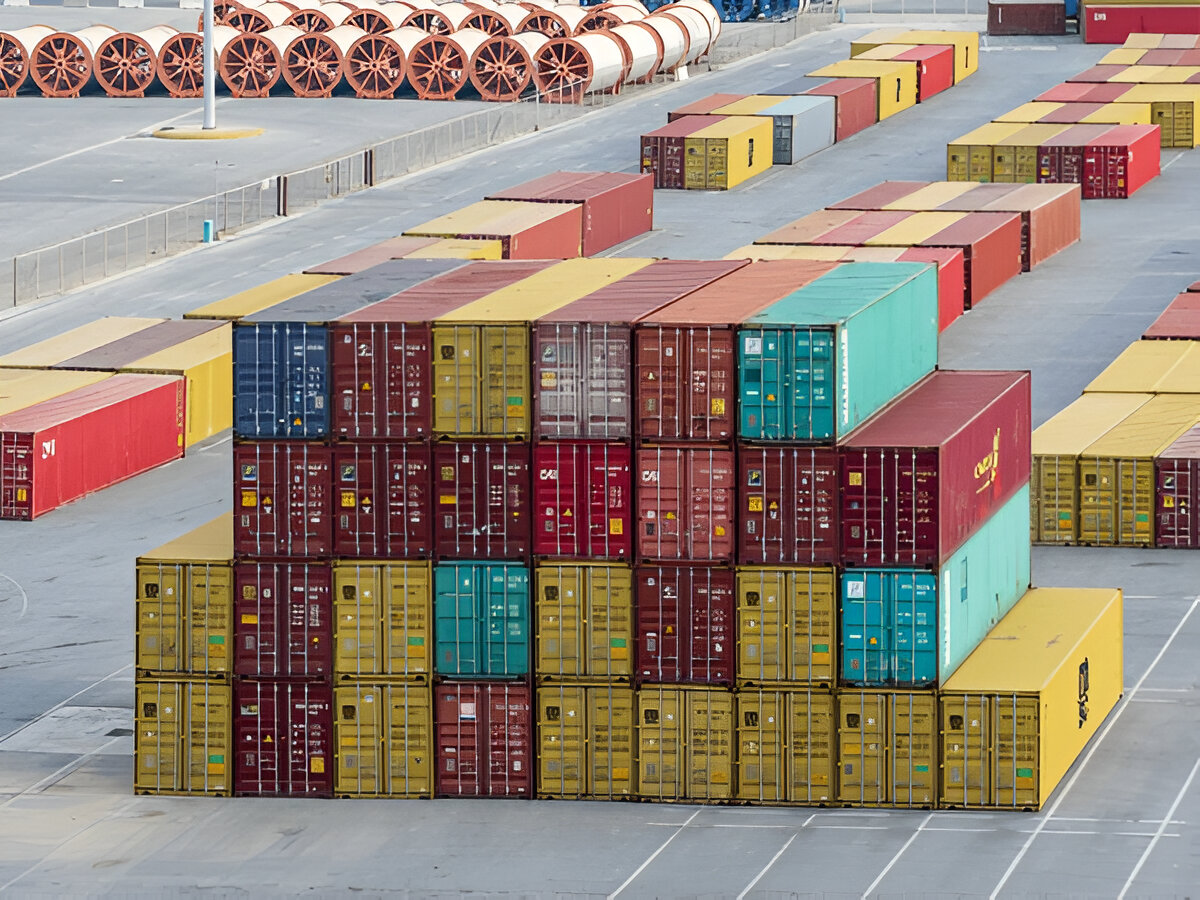
“Discover the economic impact of US tariffs on India in 2025. Explore how trade consequences are shaping India’s economy and future relations with the US.”
Understanding U.S. Tariffs on India
Tariffs are taxes levied by governments on imported goods. The U.S. has imposed a range of tariffs on Indian exports, targeting industries such as steel, aluminum, agricultural products, and information technology services. The imposition of these tariffs has often been justified by the U.S. as a way to address trade imbalances and unfair trade practices.
In 2018, the U.S. imposed higher tariffs on Indian steel and aluminum, citing national security concerns under Section 232 of the Trade Expansion Act of 1962. This move was part of a broader effort by the Trump administration to protect U.S. industries from foreign competition. The tariffs led to increased costs for Indian exporters and strained bilateral trade relations.
Another significant issue arose in 2019 when the U.S. ended India’s preferential trade status under the Generalized System of Preferences (GSP). The GSP allowed certain Indian goods to enter the U.S. duty-free, but the U.S. revoked this status, accusing India of not providing equitable market access to U.S. companies. This move affected a wide range of Indian products, including textiles, chemicals, and engineering goods.
Impact on India’s Economy
The tariffs imposed by the U.S. have had a noticeable impact on India’s economy, especially in the export sector. Indian exporters have faced increased costs, which have made their products less competitive in the global market. For instance, the tariffs on steel and aluminum exports have significantly hurt the Indian steel industry, leading to reduced profit margins and slower growth in export volumes.
The removal of the GSP status also created challenges for Indian manufacturers and exporters, particularly in the textile and agricultural sectors. These industries have seen reduced access to the U.S. market, which is one of India’s largest trading partners. As a result, Indian exporters have had to explore alternative markets or absorb the additional costs associated with tariffs.
Moreover, the uncertainty surrounding trade relations with the U.S. has made it harder for Indian businesses to plan for the future. The unpredictability of U.S. tariff policies has increased the risks associated with cross-border trade and investment, affecting business confidence in both countries.
Response from India
In response to the U.S. tariffs, India has taken measures to protect its interests and mitigate the damage caused by these trade barriers. The Indian government has imposed retaliatory tariffs on U.S. products, including almonds, apples, and motorcycles. These retaliatory tariffs were intended to exert pressure on the U.S. and force a resolution to the trade dispute.
India has also sought to diversify its trade relationships by strengthening ties with other countries and trading blocs. For example, India has made efforts to improve trade relations with the European Union, Japan, and ASEAN nations. By diversifying its export markets, India aims to reduce its reliance on the U.S. and minimize the impact of U.S. tariffs.
Additionally, India has pursued reforms aimed at making its domestic industries more competitive. These include initiatives to boost manufacturing under the “Make in India” program, improve infrastructure, and enhance the ease of doing business. These efforts are intended to help Indian businesses cope with global trade challenges, including the tariffs imposed by the U.S.
Future Outlook for India-U.S. Trade Relations
The future of India-U.S. trade relations will likely depend on how both countries navigate their differences on tariffs and trade policies. While there have been tensions, there are also areas of cooperation between the two nations. For example, India is a key partner for the U.S. in the Indo-Pacific region, and both countries have been working together on issues like defense, technology, and climate change.
If the U.S. and India can resolve their trade differences, it could lead to a more balanced and stable trade relationship. In recent discussions, both countries have expressed a willingness to address the issues surrounding tariffs and work toward more mutually beneficial trade agreements. The signing of new trade deals, such as the U.S.-India trade pact, could open up new opportunities for businesses in both countries.
Conclusion
The tariffs imposed on India by the U.S. have undoubtedly created challenges for Indian exporters and businesses. However, India’s response, including retaliatory tariffs and efforts to diversify its trade relationships, demonstrates its resilience in the face of trade adversity. Moving forward, it will be important for both nations to engage in dialogue to resolve trade disputes and find ways to enhance their economic partnership. While the future of India-U.S. trade remains uncertain, there is hope that through collaboration, both countries can overcome these challenges and build a more robust trade relationship.
In recent years, the trade relationship between India and the United States has been marked by both cooperation and conflict. One of the significant points of tension has been the tariffs imposed by the U.S. on Indian goods. These tariffs have impacted various sectors of the Indian economy and led to changes in trade dynamics between the two countries. In this post, we’ll explore the tariffs imposed on India by the U.S., their implications for both nations, and what the future of trade might look like.
Understanding U.S. Tariffs on India
Tariffs are taxes levied by governments on imported goods. The U.S. has imposed a range of tariffs on Indian exports, targeting industries such as steel, aluminum, agricultural products, and information technology services. The imposition of these tariffs has often been justified by the U.S. as a way to address trade imbalances and unfair trade practices.
In 2018, the U.S. imposed higher tariffs on Indian steel and aluminum, citing national security concerns under Section 232 of the Trade Expansion Act of 1962. This move was part of a broader effort by the Trump administration to protect U.S. industries from foreign competition. The tariffs led to increased costs for Indian exporters and strained bilateral trade relations.
Another significant issue arose in 2019 when the U.S. ended India’s preferential trade status under the Generalized System of Preferences (GSP). The GSP allowed certain Indian goods to enter the U.S. duty-free, but the U.S. revoked this status, accusing India of not providing equitable market access to U.S. companies. This move affected a wide range of Indian products, including textiles, chemicals, and engineering goods.
Impact on India’s Economy
The tariffs imposed by the U.S. have had a noticeable impact on India’s economy, especially in the export sector. Indian exporters have faced increased costs, which have made their products less competitive in the global market. For instance, the tariffs on steel and aluminum exports have significantly hurt the Indian steel industry, leading to reduced profit margins and slower growth in export volumes.
The removal of the GSP status also created challenges for Indian manufacturers and exporters, particularly in the textile and agricultural sectors. These industries have seen reduced access to the U.S. market, which is one of India’s largest trading partners. As a result, Indian exporters have had to explore alternative markets or absorb the additional costs associated with tariffs.
Moreover, the uncertainty surrounding trade relations with the U.S. has made it harder for Indian businesses to plan for the future. The unpredictability of U.S. tariff policies has increased the risks associated with cross-border trade and investment, affecting business confidence in both countries.
Response from India
In response to the U.S. tariffs, India has taken measures to protect its interests and mitigate the damage caused by these trade barriers. The Indian government has imposed retaliatory tariffs on U.S. products, including almonds, apples, and motorcycles. These retaliatory tariffs were intended to exert pressure on the U.S. and force a resolution to the trade dispute.
India has also sought to diversify its trade relationships by strengthening ties with other countries and trading blocs. For example, India has made efforts to improve trade relations with the European Union, Japan, and ASEAN nations. By diversifying its export markets, India aims to reduce its reliance on the U.S. and minimize the impact of U.S. tariffs.
Additionally, India has pursued reforms aimed at making its domestic industries more competitive. These include initiatives to boost manufacturing under the “Make in India” program, improve infrastructure, and enhance the ease of doing business. These efforts are intended to help Indian businesses cope with global trade challenges, including the tariffs imposed by the U.S.
Future Outlook for India-U.S. Trade Relations
The future of India-U.S. trade relations will likely depend on how both countries navigate their differences on tariffs and trade policies. While there have been tensions, there are also areas of cooperation between the two nations. For example, India is a key partner for the U.S. in the Indo-Pacific region, and both countries have been working together on issues like defense, technology, and climate change.
If the U.S. and India can resolve their trade differences, it could lead to a more balanced and stable trade relationship. In recent discussions, both countries have expressed a willingness to address the issues surrounding tariffs and work toward more mutually beneficial trade agreements. The signing of new trade deals, such as the U.S.-India trade pact, could open up new opportunities for businesses in both countries.
Conclusion
The tariffs imposed on India by the U.S. have undoubtedly created challenges for Indian exporters and businesses. However, India’s response, including retaliatory tariffs and efforts to diversify its trade relationships, demonstrates its resilience in the face of trade adversity. Moving forward, it will be important for both nations to engage in dialogue to resolve trade disputes and find ways to enhance their economic partnership. While the future of India-U.S. trade remains uncertain, there is hope that through collaboration, both countries can overcome these challenges and build a more robust trade relationship.
In recent years, the trade relationship between India and the United States has been marked by both cooperation and conflict. One of the significant points of tension has been the tariffs imposed by the U.S. on Indian goods. These tariffs have impacted various sectors of the Indian economy and led to changes in trade dynamics between the two countries. In this post, we’ll explore the tariffs imposed on India by the U.S., their implications for both nations, and what the future of trade might look like.
Understanding U.S. Tariffs on India
Tariffs are taxes levied by governments on imported goods. The U.S. has imposed a range of tariffs on Indian exports, targeting industries such as steel, aluminum, agricultural products, and information technology services. The imposition of these tariffs has often been justified by the U.S. as a way to address trade imbalances and unfair trade practices.
In 2018, the U.S. imposed higher tariffs on Indian steel and aluminum, citing national security concerns under Section 232 of the Trade Expansion Act of 1962. This move was part of a broader effort by the Trump administration to protect U.S. industries from foreign competition. The tariffs led to increased costs for Indian exporters and strained bilateral trade relations.
Another significant issue arose in 2019 when the U.S. ended India’s preferential trade status under the Generalized System of Preferences (GSP). The GSP allowed certain Indian goods to enter the U.S. duty-free, but the U.S. revoked this status, accusing India of not providing equitable market access to U.S. companies. This move affected a wide range of Indian products, including textiles, chemicals, and engineering goods.
Impact on India’s Economy
The tariffs imposed by the U.S. have had a noticeable impact on India’s economy, especially in the export sector. Indian exporters have faced increased costs, which have made their products less competitive in the global market. For instance, the tariffs on steel and aluminum exports have significantly hurt the Indian steel industry, leading to reduced profit margins and slower growth in export volumes.
The removal of the GSP status also created challenges for Indian manufacturers and exporters, particularly in the textile and agricultural sectors. These industries have seen reduced access to the U.S. market, which is one of India’s largest trading partners. As a result, Indian exporters have had to explore alternative markets or absorb the additional costs associated with tariffs.
Moreover, the uncertainty surrounding trade relations with the U.S. has made it harder for Indian businesses to plan for the future. The unpredictability of U.S. tariff policies has increased the risks associated with cross-border trade and investment, affecting business confidence in both countries.
Response from India
In response to the U.S. tariffs, India has taken measures to protect its interests and mitigate the damage caused by these trade barriers. The Indian government has imposed retaliatory tariffs on U.S. products, including almonds, apples, and motorcycles. These retaliatory tariffs were intended to exert pressure on the U.S. and force a resolution to the trade dispute.
India has also sought to diversify its trade relationships by strengthening ties with other countries and trading blocs. For example, India has made efforts to improve trade relations with the European Union, Japan, and ASEAN nations. By diversifying its export markets, India aims to reduce its reliance on the U.S. and minimize the impact of U.S. tariffs.
Additionally, India has pursued reforms aimed at making its domestic industries more competitive. These include initiatives to boost manufacturing under the “Make in India” program, improve infrastructure, and enhance the ease of doing business. These efforts are intended to help Indian businesses cope with global trade challenges, including the tariffs imposed by the U.S.
Future Outlook for India-U.S. Trade Relations
The future of India-U.S. trade relations will likely depend on how both countries navigate their differences on tariffs and trade policies. While there have been tensions, there are also areas of cooperation between the two nations. For example, India is a key partner for the U.S. in the Indo-Pacific region, and both countries have been working together on issues like defense, technology, and climate change.
If the U.S. and India can resolve their trade differences, it could lead to a more balanced and stable trade relationship. In recent discussions, both countries have expressed a willingness to address the issues surrounding tariffs and work toward more mutually beneficial trade agreements. The signing of new trade deals, such as the U.S.-India trade pact, could open up new opportunities for businesses in both countries.
Conclusion
The tariffs imposed on India by the U.S. have undoubtedly created challenges for Indian exporters and businesses. However, India’s response, including retaliatory tariffs and efforts to diversify its trade relationships, demonstrates its resilience in the face of trade adversity. Moving forward, it will be important for both nations to engage in dialogue to resolve trade disputes and find ways to enhance their economic partnership. While the future of India-U.S. trade remains uncertain, there is hope that through collaboration, both countries can overcome these challenges and build a more robust trade relationship.