
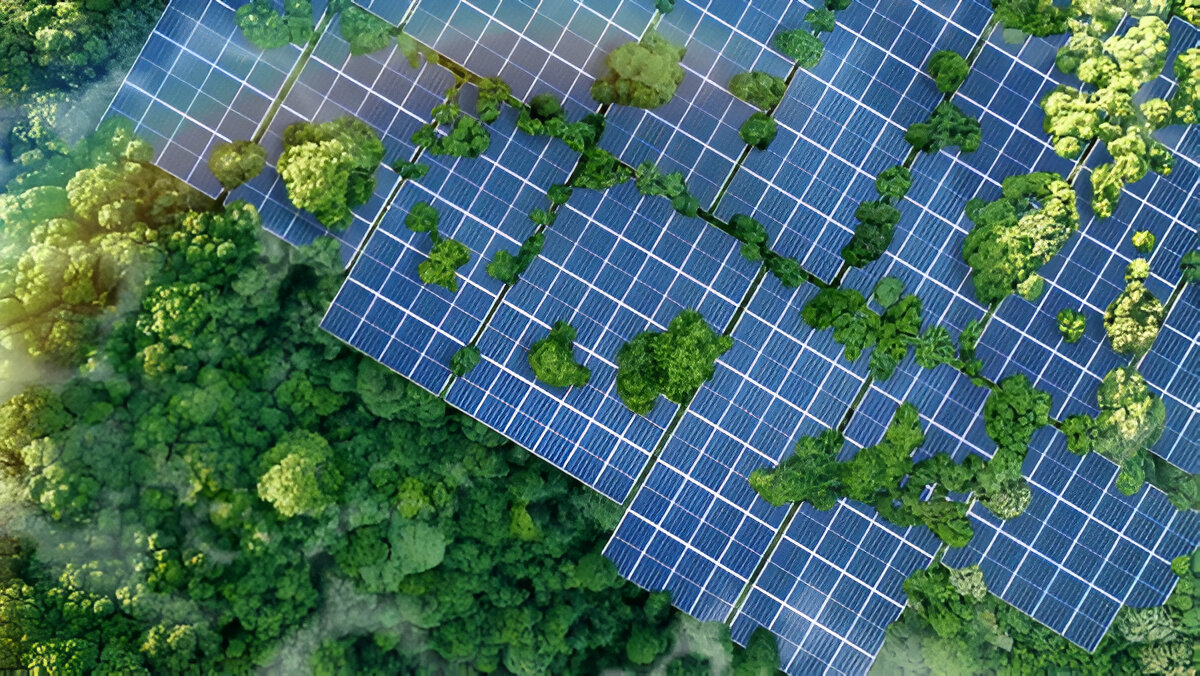
Renewable energy is fast becoming one of the most important solutions to the world’s energy challenges. As global energy demands rise and the effects of climate change intensify, renewable energy sources such as solar, wind, hydro, and geothermal offer cleaner alternatives to fossil fuels. These sustainable sources not only reduce carbon emissions but also provide a pathway toward a greener, more resilient future.
What is Renewable Energy?
Renewable energy refers to energy derived from natural resources that are replenished naturally and quickly. Unlike fossil fuels, which take millions of years to form, renewable energy sources such as sunlight, wind, water, and geothermal heat are continuously replenished. The most common forms of renewable energy include:
- Solar Energy: Capturing the sun’s power through solar panels to generate electricity.
- Wind Energy: Using wind turbines to convert wind into power.
- Hydropower: Harnessing the energy of flowing water to produce electricity.
- Geothermal Energy: Tapping into the Earth’s heat for electricity generation.
These renewable sources of energy are sustainable and produce little to no harmful emissions, making them essential for reducing our carbon footprint.
Why Renewable Energy is Essential
- Combatting Climate Change: One of the most urgent reasons for transitioning to renewable energy is to reduce greenhouse gas emissions. Burning fossil fuels for electricity and transportation is the leading cause of global warming. Unlike fossil fuels, renewable energy produces little to no carbon dioxide (CO2) emissions, making it a key player in the fight against climate change.
- Energy Independence: Renewable energy helps reduce reliance on fossil fuel imports. Solar, wind, and hydropower are available in abundance across the globe, which means countries can generate their own energy, ensuring a more secure and stable energy future. By tapping into local renewable resources, nations can reduce their vulnerability to geopolitical tensions and fluctuating energy prices.
- Economic Growth: Investing in renewable energy not only helps the environment but also stimulates the economy. The renewable energy sector has created millions of jobs worldwide, ranging from manufacturing and installation to research and development. According to the International Renewable Energy Agency (IRENA), renewable energy could employ over 85 million people by 2030, driving innovation and economic growth in the process.
- Environmental Protection: Renewable energy has far less impact on the environment compared to fossil fuels. It doesn’t pollute the air or water and preserves natural ecosystems. By shifting to renewables, we can protect biodiversity and mitigate environmental degradation, ensuring a healthier planet for future generations.
The Rise of Renewable Energy Technology
The renewable energy sector has seen rapid advancements in technology, which have significantly improved efficiency and lowered costs. Solar and wind power, in particular, have become more affordable and competitive with traditional energy sources. Innovations such as advanced photovoltaic (PV) panels and larger, more efficient wind turbines have made renewable energy a practical option for widespread adoption.
Additionally, the development of energy storage technologies, such as batteries, is helping to address one of the main challenges of renewable energy—intermittency. Solar and wind power are variable by nature, meaning they are not always available. However, with better storage systems, excess energy generated during peak production times can be stored and used when demand is high or when renewable resources aren’t available.
The Future of Renewable Energy
The future of renewable energy looks promising. As global awareness of climate change grows, governments and businesses are increasingly turning to renewable energy to power homes, industries, and transportation. The transition to a renewable energy-based economy is already underway, with countries setting ambitious clean energy goals. For example, the European Union aims to become carbon-neutral by 2050, with renewable energy playing a central role in achieving this target.
Technological advancements, along with supportive government policies, are driving the expansion of renewable energy. Solar and wind energy are expected to become even cheaper and more efficient, while energy storage solutions continue to improve. As a result, the role of renewable energy will only increase in the coming decades, powering everything from homes to electric vehicles and beyond.
Conclusion
Renewable energy is essential for building a sustainable, low-carbon future. By transitioning from fossil fuels to clean, renewable sources of energy, we can reduce carbon emissions, protect the environment, and secure energy independence. The ongoing technological advancements in renewable energy make it more accessible, affordable, and reliable than ever before. As we continue to invest in these technologies, the future of energy will be brighter, greener, and more sustainable for all.